
Our Impact
At Green Girls Platform, impact is not just about numbers – it is about transforming knowledge into action and building a generation of girls and young people who lead climate solutions in their communities.
Projects spotlight
E-STEM for Climate Action
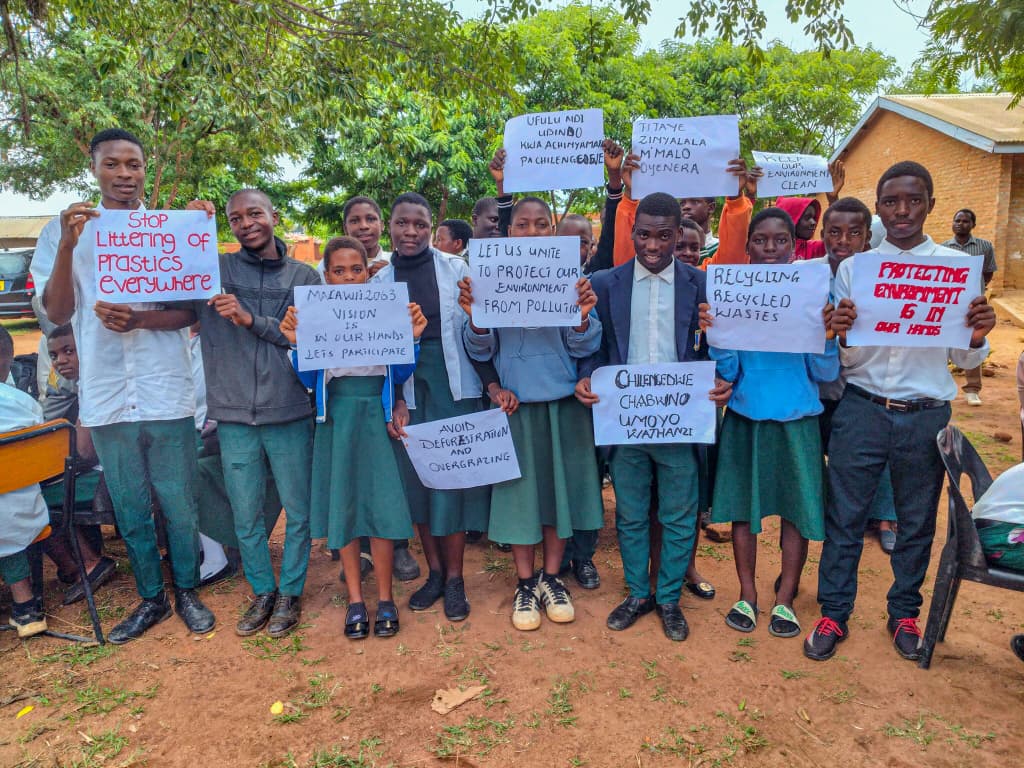
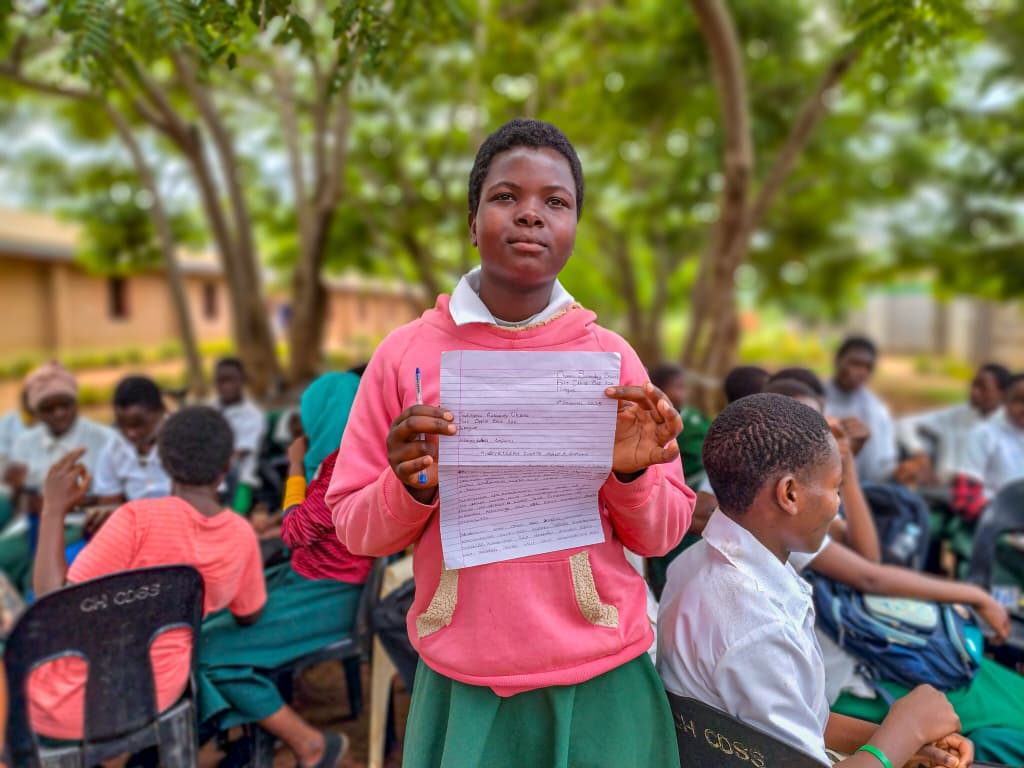
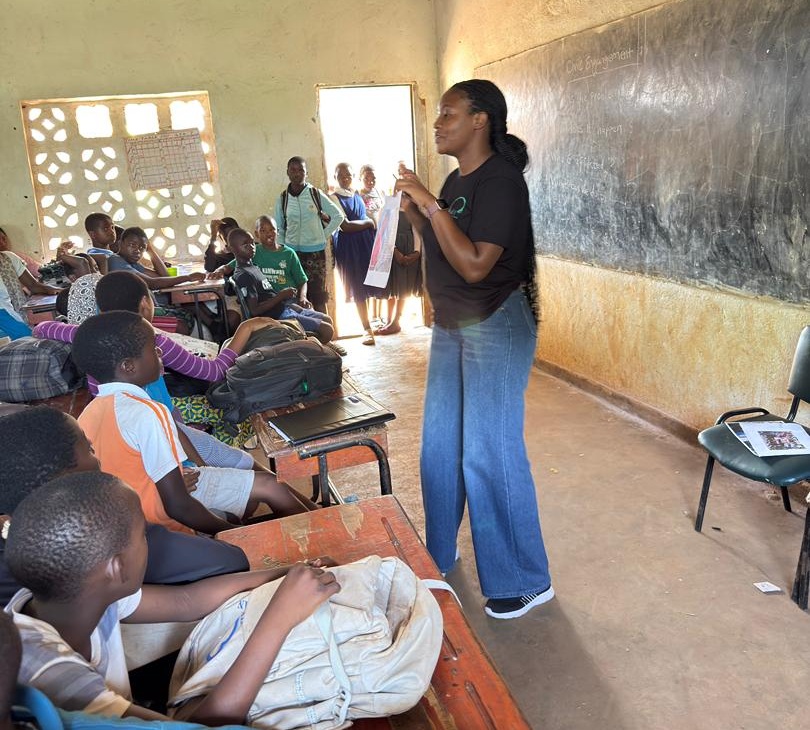
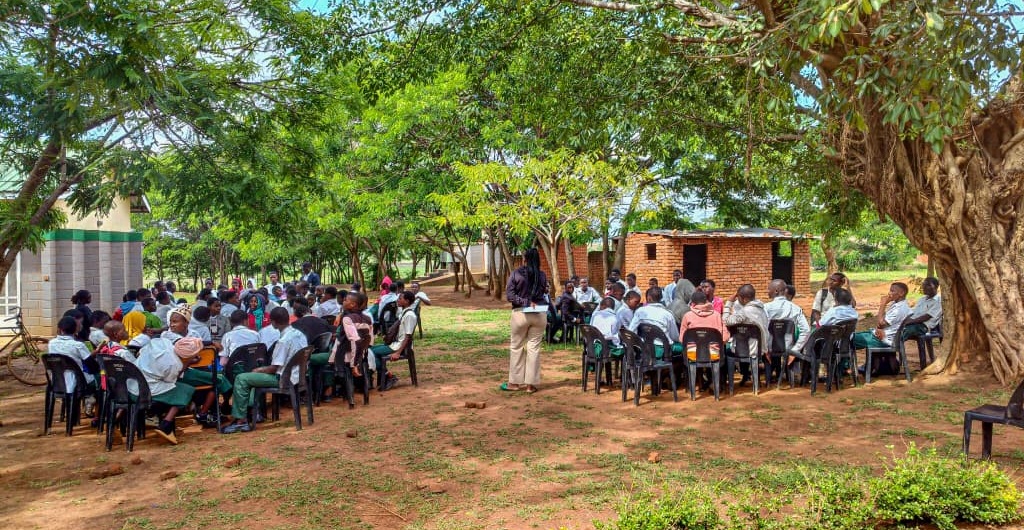
E-STEM for Climate Action is a project that integrates Science,Technology, Engineering, and Mathematics (STEM) into Environmental Education (EE) so that young people can understand the environment, climate change and develop climate solutions that work in their communities.
The project was piloted in 2022 with funding from the North American Association of Environmental Education (NAAEE) in 3 schools and 1 community in rural Lilongwe namely Mzumazi Primary School, Ngowe Secondary School, Mitundu Secondary School and Kudoole community. The project ran for 12 months, reaching 450 young people aged 11-20, and they implemented 4 climate action projects in their communities.
Building on the project pilot’s success, in 2024, with support from UNESCO, we launched the project in 3 schools and 1 community in Salima: Chilumba Community Day Secondary School, Chilumba Junior Primary School, Namachete Primary School and Nkhangayalawa Community. The project ran for 9 months and reached 450 young people aged 11-20.
With support from Irish Aid through Trocaire Malawi, we launched the E-STEM for Climate Action project in 3 additional schools in Rural Lilongwe namely Kambewe Primary, Bunda Primary and Chiseka Community Day Secondary School. The project ran for 9 months from March to December 2025. We reached 300 young people, ages 8–20.
Achievements
- We reached young people aged 8-20 in Lilongwe and Salima districts with knowledge and skills on how to integrate STEM in climate action
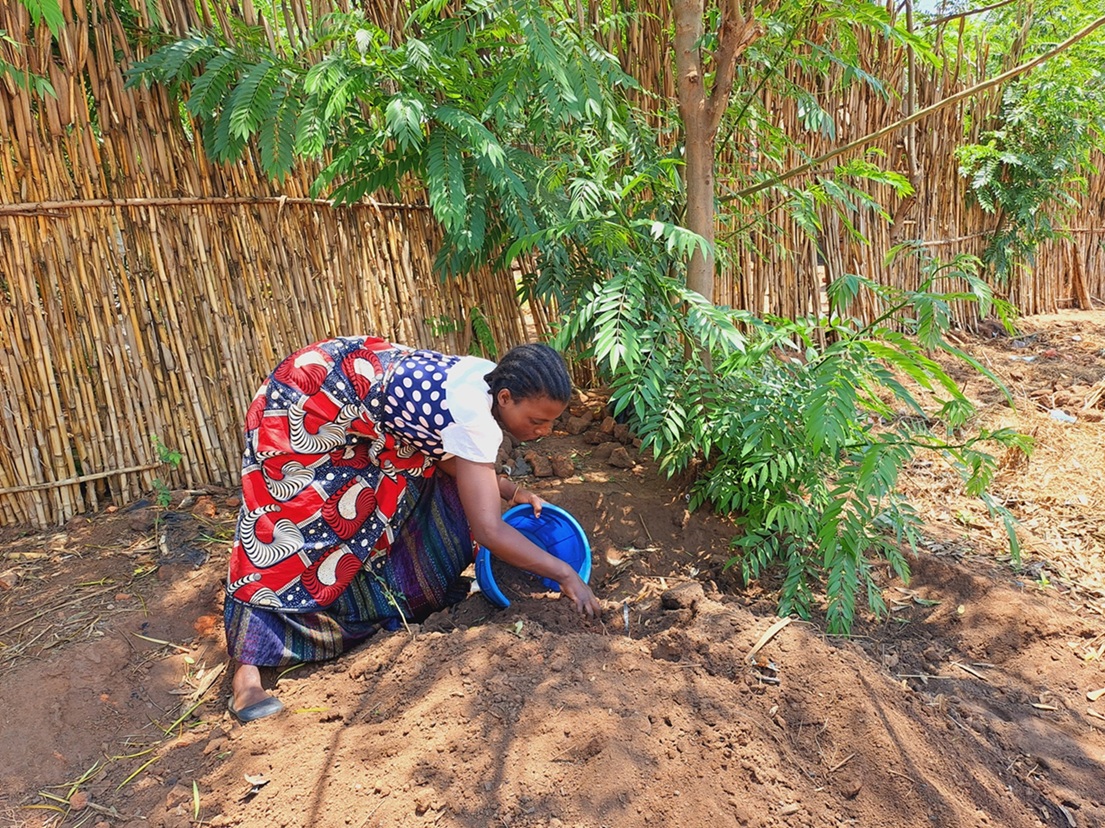
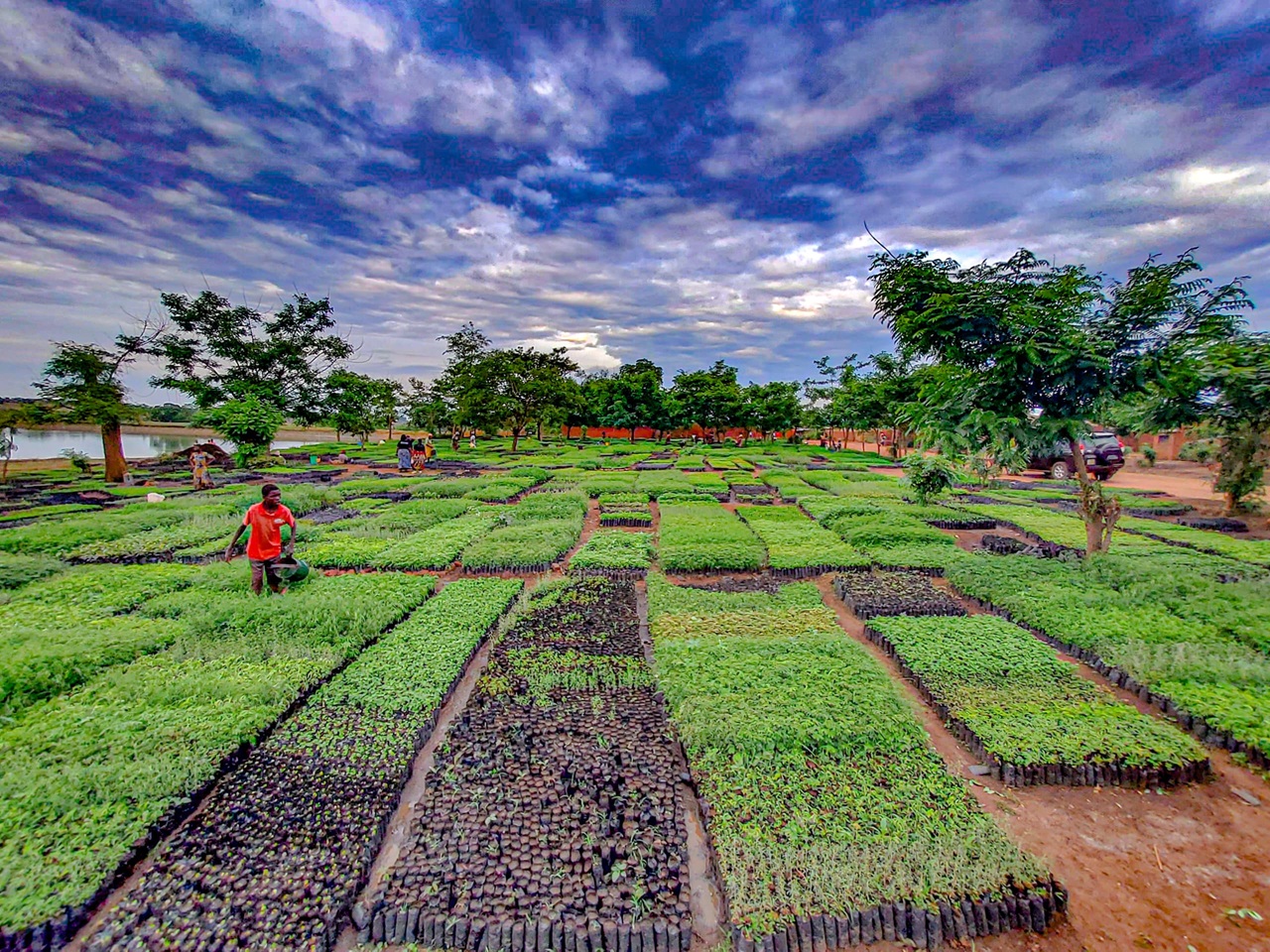
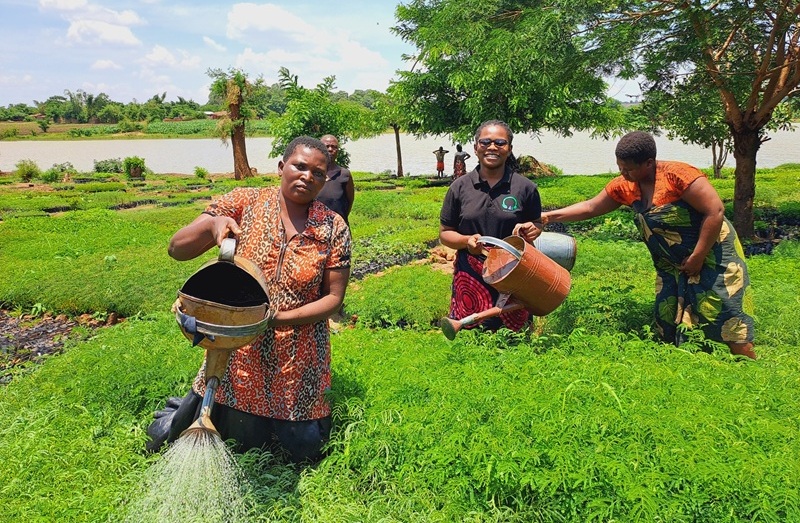
- 12 climate action projects led by young people were implemented
We developed an E-STEM for Climate Action toolkit
Girls for Climate Action
Green Girls Platform aims to strengthen the resilience of adolescent girls to climate change in Malawi. This project targets adolescent girls in flood-prone districts and communities to provide a platform for knowledge and leadership on climate action, enhancing their understanding of climate change and enabling them to develop adaptation measures that work in their unique contexts. This will facilitate evidence-based advocacy for climate action and enhance climate adaptation strategies and girls’ resilience at the community level and eventually, at national level.
In 2024, in partnership with UNICEF Malawi and the National Youth Council of Malawi (NYCOM), Green Girls Platform organized the Adolescent Girls for Climate Action Bootcamp to enhance adolescent girls’ knowledge and leadership in climate action. The initiative focused on empowering girls from disaster-prone districts with the skills to actively participate in designing climate programs and promoting resilience through local action. The activity identified and trained 60 adolescent girls across six districts, providing a platform for them to develop context-specific solutions through a three-phase boot camp followed by community climate action projects led by the girls.
Girls for Climate Action
Green Girls Platform aims to strengthen the resilience of adolescent girls to climate change in Malawi. This project targets adolescent girls in flood-prone districts and communities to provide a platform for knowledge and leadership on climate action, enhancing their understanding of climate change and enabling them to develop adaptation measures that work in their unique contexts. This will facilitate evidence-based advocacy for climate action and enhance climate adaptation strategies and girls’ resilience at the community level and eventually, at national level.
In 2024, in partnership with UNICEF Malawi and the National Youth Council of Malawi (NYCOM), Green Girls Platform organized the Adolescent Girls for Climate Action Bootcamp to enhance adolescent girls’ knowledge and leadership in climate action. The initiative focused on empowering girls from disaster-prone districts with the skills to actively participate in designing climate programs and promoting resilience through local action. The activity identified and trained 60 adolescent girls across six districts, providing a platform for them to develop context-specific solutions through a three-phase boot camp followed by community climate action projects led by the girls.
How We Measure Impact
We apply a Monitoring, Evaluation, Reporting, and Learning (MERL) framework to track progress, ensure accountability, and continuously improve our work.


